

Hugel’s Movin’ To The Sun: The Truth Behind AI Rumors
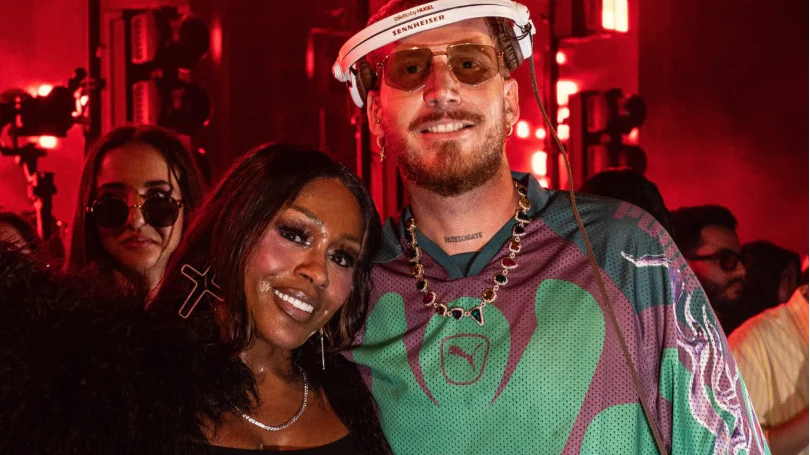
If you've been catching the sunset sets at Café Mambo or raving till dawn at Hï Ibiza recently, you definitely heard it. The massive summer anthem Movin' To The Sun by Hugel, Imael Angel, and Ultra Naté has been dominating Beatport and conquering the US Billboard Dance charts. But behind this infectious groove, a wild rumor started spreading across the scene. Fans and professionals alike wondered if this hit was entirely generated by artificial intelligence.
From AI Demos to Real Studio Magic
The electronic music community loves a good controversy. Whispers began circulating about the track's origins, pushing Hugel to clear the air. He stepped up on social media to reveal exactly where the machine ends and the human touch begins. It all started with a simple creative spark. Imael Angel wrote the original lyrics and a few melodies. She then fed these ideas into the AI generator Suno to get a rough demo. This specific step fueled the internet fire. However, the reality of the final club banger is completely different. Hugel took small elements from this AI sketch and totally rebuilt the structure.
"Our actual drop is completely different from the original version. We essentially reproduced everything from scratch." – Hugel
Analog Warmth and Serious Sound Design
You simply cannot fake that heavy club energy. To prove his genuine involvement, the producer broke down the project track by track. The rhythm section bounces thanks to standard sample packs, mostly pulled from Splice. That fat, vibrating bassline? Hugel took a Serum preset, tweaked it with heavy EQ, and stacked it over a hardware Moog synth. The melodies bring pure emotion to the dancefloor. We hear a classic Rhodes electric piano, a lush pad from Sky Keys, and some Keyscape keys. For the atmospheric vibes, he used Sylenth textures, Diva soundscapes, and massive Serum risers. A subtle string section builds the tension perfectly. He even sneaked a hidden monkey noise into the mix! Up to this point, the team relied purely on human skill.
The Vocal Blend and the Future of Dance Music
So, where did the artificial intelligence actually step in? The real digital magic happened during the final vocal processing. The main vocals come from a raw studio session with the legendary Ultra Naté. During the mixing phase, the team used AI to layer her fresh recording over the original Suno sample generated by Imael Angel. This clever fusion created a highly unique vocal texture. The algorithm strictly served as a blending tool for this specific step. The ultimate goal was pure dancefloor efficiency, and they absolutely nailed it. We are watching AI slowly become a standard assistant in electronic music workflows. The line between technical help and raw creation is definitely blurring. Will streaming platforms soon require strict AI tags on our favorite house tracks?
Plus d'actus
Swedish House Mafia announces a huge 2027 stadium residency in Sweden after a stormy setback. But what does th…

Dance under the Balearic sky today! Club Chinois brings its epic free open-air street party back to Ibiza Port…
Grab the highly limited GORDO and Pacha Ibiza collaborative TARAKA T-shirt! Designed with James Wrath, this ex…