

AI in Electronic Music: The Deezer Study on Authenticity
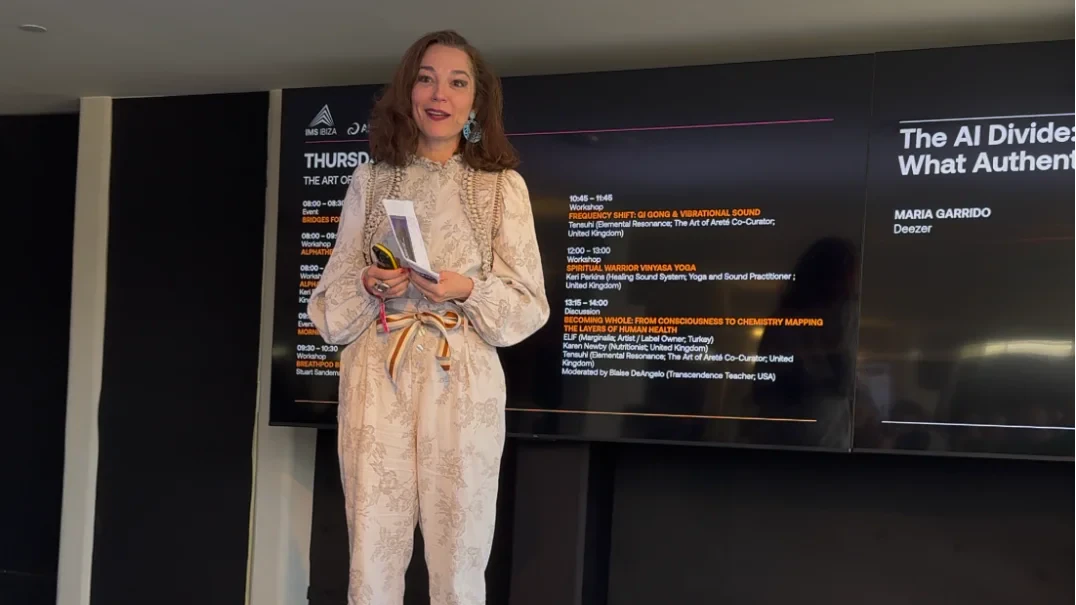
The AI Divide: Can We Still Feel the Authenticity on the Dancefloor?
The electronic music world thrives on pure human connection, but a silent technological revolution is currently shaking up our favorite playlists. Deezer's CMO Maria Garrido recently took the stage to drop some mind-bending insights from a groundbreaking Deezer and Ipsos study about generative AI. Dive into the reality of synthetic music and discover what it means for the future of our vibrant scene.
Facing the Machine: The Blind Test That Fooled the Experts
Imagine standing in a packed conference room full of sharp industry professionals. Maria Garrido steps up to the mic, pausing slightly to build suspense. She starts her keynote with a simple but highly effective game. She plays three different audio tracks over the loud speakers and asks the crowd to raise their hands to identify the human-made song. The tension in the room is palpable. You can see executives glancing at each other as hands shoot up uncertainly. Even the most seasoned music experts struggle to spot the truth. As Maria Garrido revealed with a knowing smile, the first track was genuinely human, while the others were completely synthetic.
This live experiment perfectly mirrors a massive study conducted by Deezer and Ipsos. They surveyed 9,000 listeners across eight countries, and the results are truly staggering. A massive 97% of everyday fans could not distinguish between human and AI tracks during blind tests. The UK did slightly better, but only by a tiny margin, hitting 95%. Audio technology has advanced so rapidly that our ears can no longer tell the difference. Unlike clumsy video deepfakes, synthetic audio blends flawlessly into the background.
This perfect illusion leaves fans feeling deeply uncomfortable. Listeners crave the genuine emotion we feel when watching legends like Martin Garrix or Carl Cox at iconic venues like Ushuaïa Ibiza or Hï Ibiza.
75.000 fully AI-generated tracks submitted every day on Deezer
The financial and ethical implications for our favorite producers are equally alarming. The study shows that 73% of respondents consider it unethical to train AI on copyrighted material without explicit artist clearance. Music fans strongly believe that the industry must compensate creators fairly. They also demand total transparency. As Maria Garrido perfectly summarized during her presentation:
"Because AI music feels like a black box, serious ethical questions are beginning to emerge. For Deezer, it is highly vindicating to see that people strongly desire transparency."
Listeners want synthetic tracks clearly labeled so they can choose exactly what to support. Sadly, bad actors are already exploiting the system. Garrido pointed out that 85% of AI streams on the platform in 2023 were completely fraudulent. Armies of bots continuously stream machine-made tracks to steal royalties from authentic artists. Thankfully, Deezer is fighting back hard. They are actively tagging generative music and kicking it out of official editorial playlists. This bold move protects the human-led culture we all cherish and sets a strong standard for the entire streaming industry.
This technological wave brings huge challenges, but it also highlights how much we genuinely value true artistic soul.
Plus d'actus

Amsterdam Dance Event 2026 drops a massive second wave lineup for its 30th anniversary. Discover 1,500 artists…

The Amsterdam Dance Event celebrates its 30th anniversary in October 2026! Discover the massive lineup featuri…

Traxsource introduces strict AI transparency labels to protect authentic house music. Discover how this 2026 u…